
Skip to content
Cleveland MaidanAssociation
Participants gathered around a table for a group activity

The MIND Project.

Mental Health International Network of Dissemination: A Columbus–Zhytomyr model for city-to-city mental health collaboration

How the model works.

In 2026 the City of Columbus approached local Ukrainian organizations to start a project. Child psychologists at Nationwide Children’s Hospital (Columbus, Ohio) and Zhytomyr Polytechnic State University (Ukraine), connected by the Cleveland Maidan Association, launched The MIND Project: a partnership bringing U.S. psychological expertise to Ukrainian mental health professionals through a train-the-trainer model.

  1. 01

    U.S. clinicians record lectures on topics Ukrainian partners identify.

  2. 02

    Lectures are professionally translated.

  3. 03

    The university integrates them into an accredited professional development course, bachelor’s and master’s programs, and a public YouTube channel.

No new infrastructure was built: using existing institutions and infrastructure, the primary costs are translation services and coordination time.

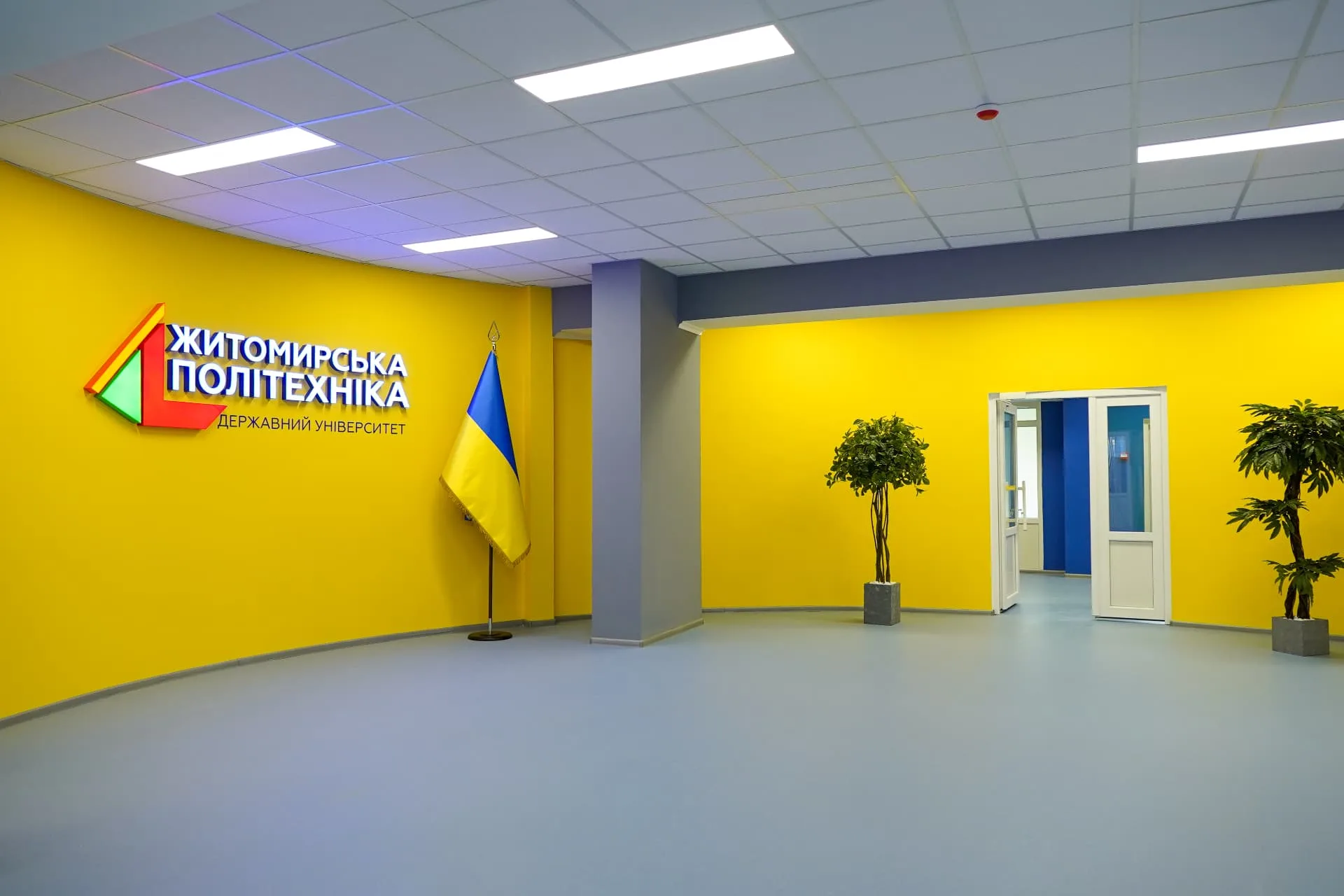
MIND — Mental Health International Network of DisseminationA yellow entrance hall at Zhytomyr Polytechnic State University with the university sign and Ukrainian flag

The project in numbers.

87

Professionals completed the accredited training course

Apr–May 2026

~300

Psychology students now use lectures in degree programs

127

Responses to the post-conference follow-up survey

Jul–Aug 2026

100%

Of surveyed participants would recommend the program to colleagues

83.3%

Rated the lectures extremely useful for professional practice

66.7%

Have already applied the content in their professional work

Figures from MIND Project participant surveys and program records, April – August 2026 (87-participant core; n=127 responses in follow-up survey; percentage ratings from detailed evaluation, n=127).

A multiplier, not a lecture series.

Participants span education (37%), social services (25%), healthcare (20%), and safety and recovery work (18%). They work with young people, school-age children, families, people with disabilities, internally displaced people, and communities affected by trauma — so training one professional reaches classrooms, clinics, and community programs across a region confronting the psychological consequences of war.
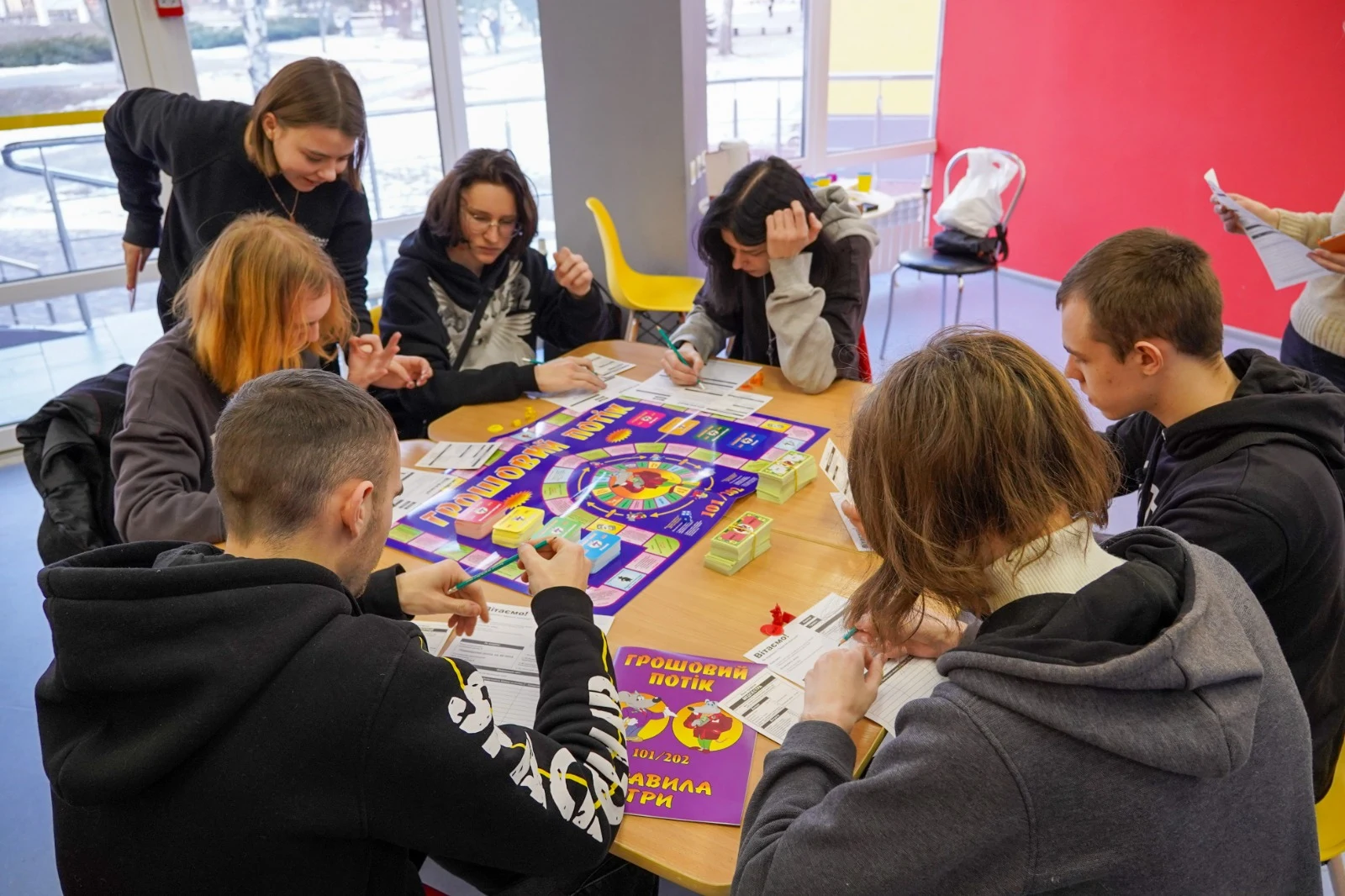
A group working together on a tabletop activity

Research that flows both ways.

U.S. clinicians share evidence-based approaches to pediatric mental health, while Ukrainian partners share their experience supporting communities during war. The exchange strengthens understanding on both sides and creates a foundation for future research collaboration.

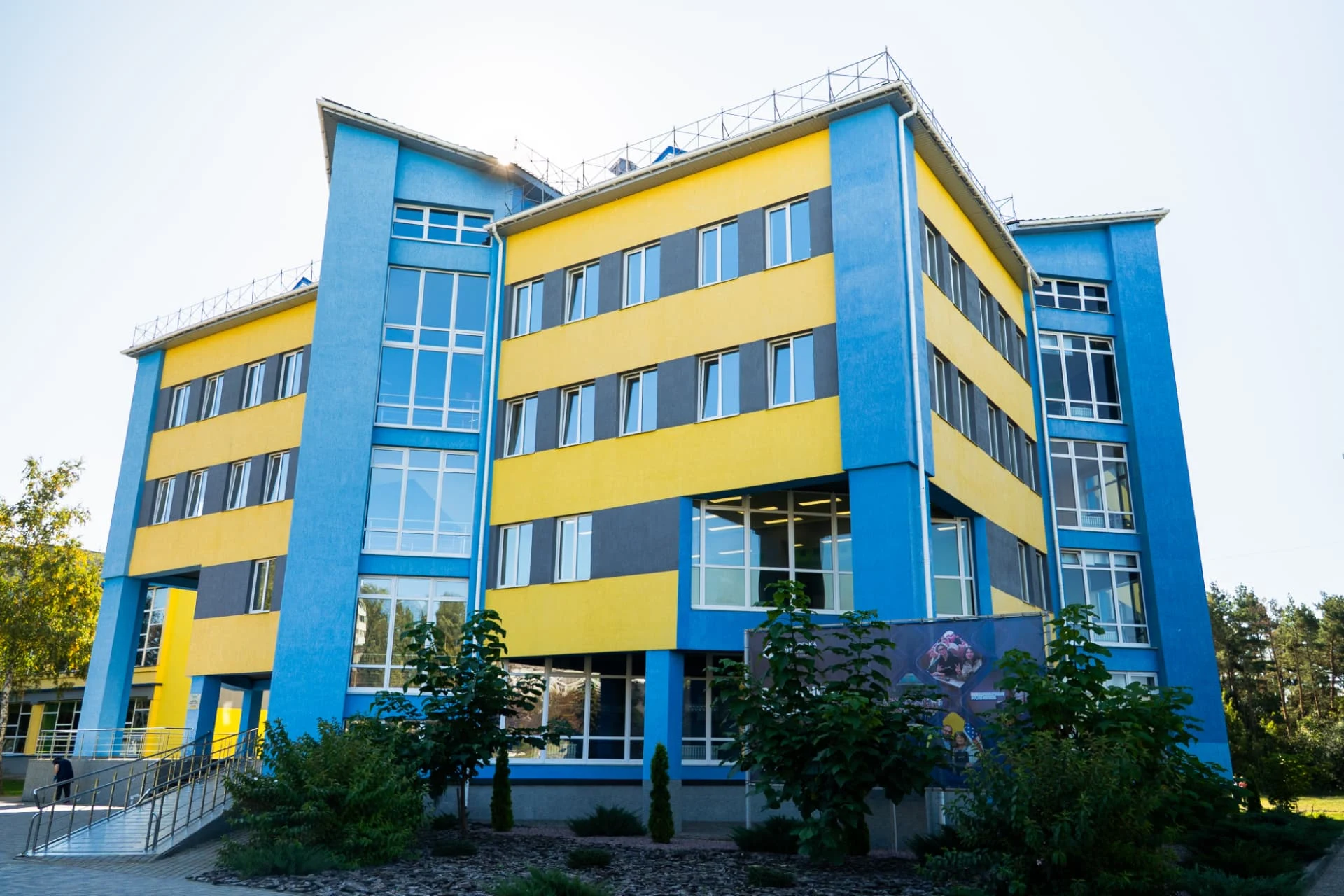
A blue and yellow university building

Why mayors.

Nearly every American city already holds the raw material: a children’s hospital or academic medical center, a university, and a medical association or civic organization. Mayors can bring partners together. Many have existing sister city programs or an active diaspora community ready to help. City-to-city partnerships like MIND build durable people-to-people bridges between the United States and countries around the world, sustaining human resilience while bringing new research, clinical insight, and international connections back to the partnering city.

A colorful mosaic on the exterior of a university building

Project leadership

Natalia Lebedin

Mental health project coordinator

Natalia Lebedin

Natalia Lebedin is an architect and public policy student coordinating Cleveland Maidan Association’s mental health projects, connecting partners and leaders across Ukraine and the U.S. Her architectural expertise includes master planning, adaptive reuse, and complex project delivery. She previously held senior leadership roles at WSA, including Principal, Studio Leader, and Design Manager.

As Program Development Director at Unbroken Cities Network, she supports partnerships advancing Ukraine’s rehabilitation and rebuilding. She served as President of the Ukrainian Cultural Association of Ohio from 2022 to 2026. Natalia is pursuing a Master of Public Policy at McGill University’s Max Bell School and holds graduate degrees in Architecture and English Literature and Creative Writing from the University of Manitoba.

How a city can start.

  1. 01

    Create the bridge.

    Connect a U.S. clinical or academic institution with an international university or hospital through a local civic organization.

  2. 02

    Begin small.

    Record and translate lectures on priorities identified by the international partner.

  3. 03

    Measure from day one.

    Track participation, usefulness, and application, to guide improvements and support funding and growth.

University grounds and an illuminated mosaic at dusk